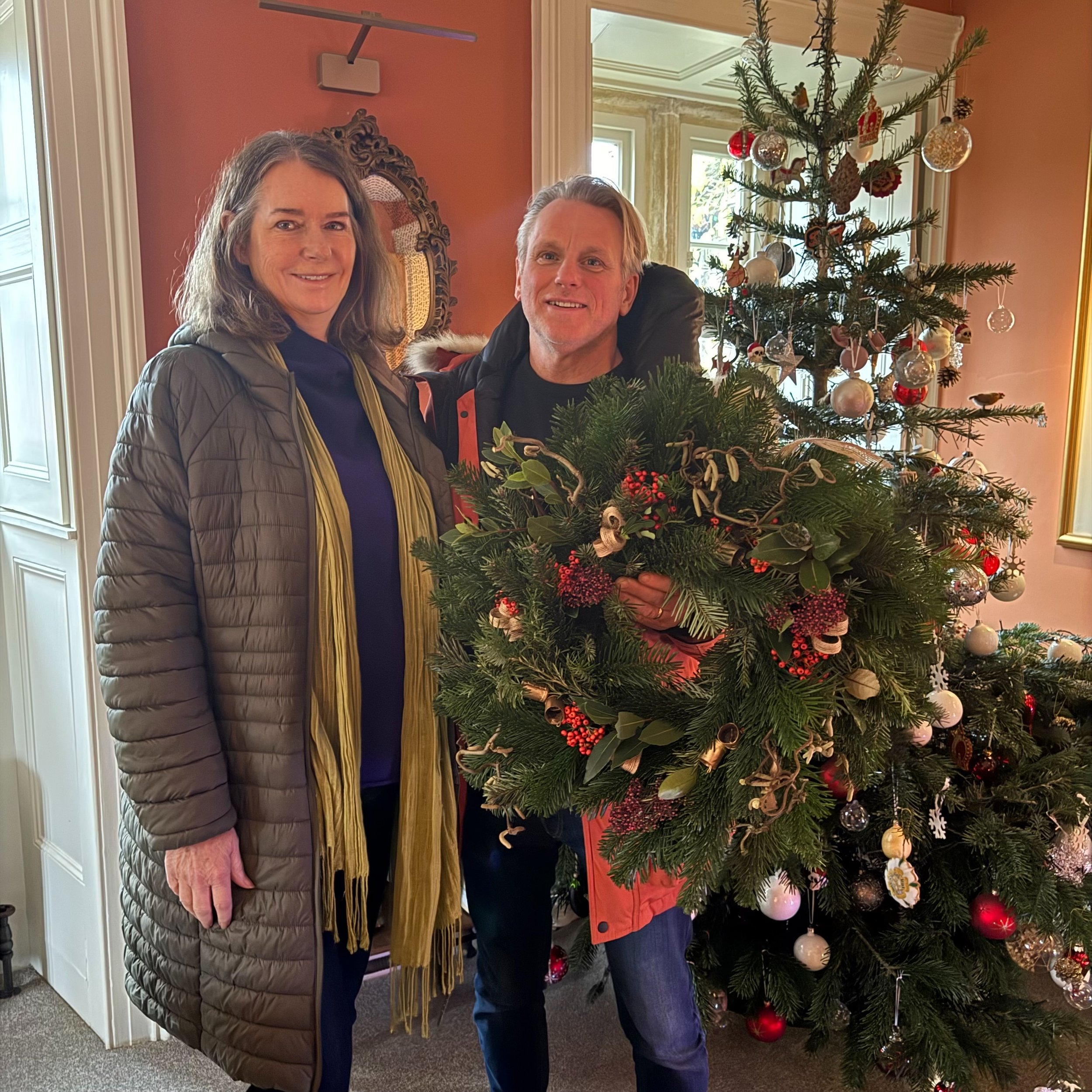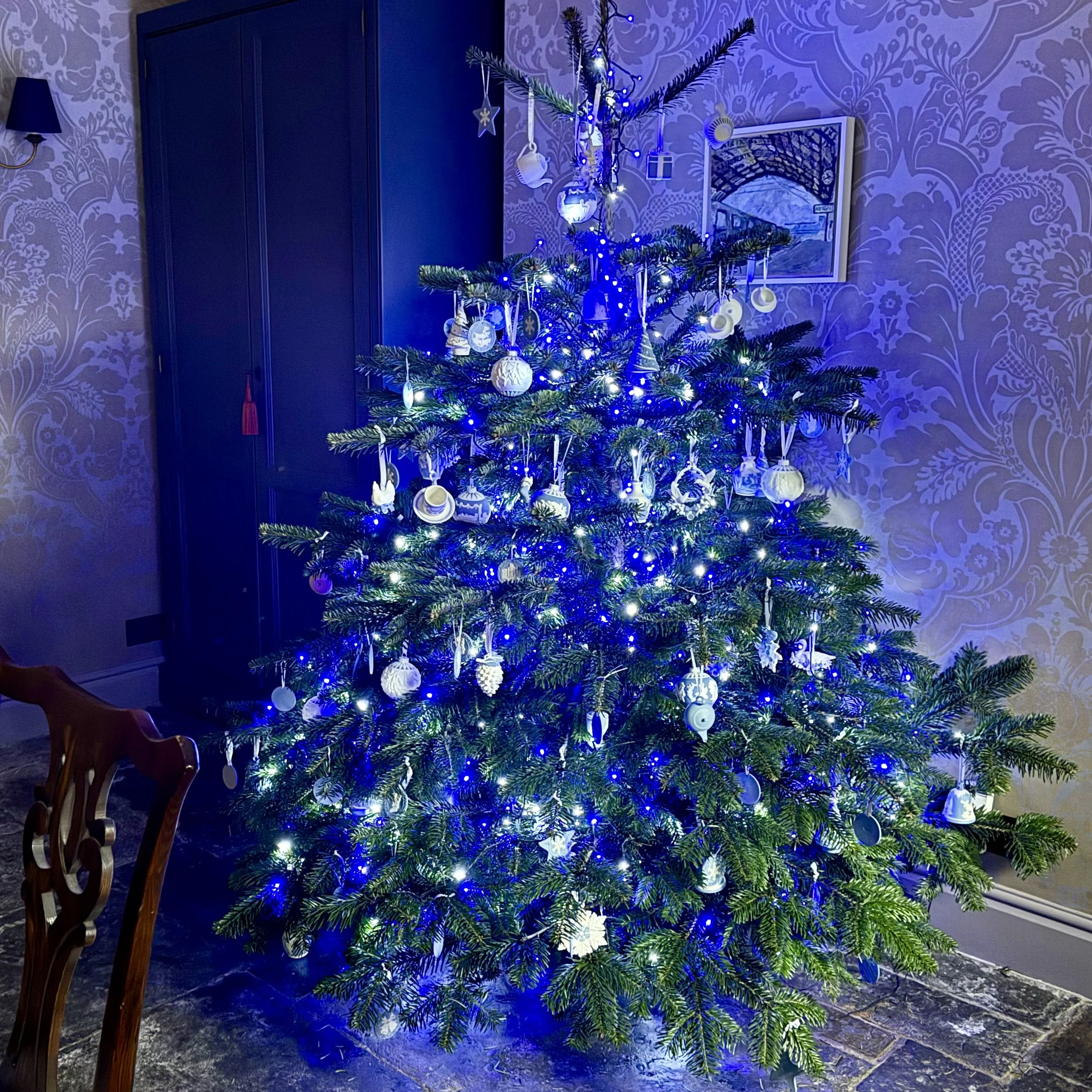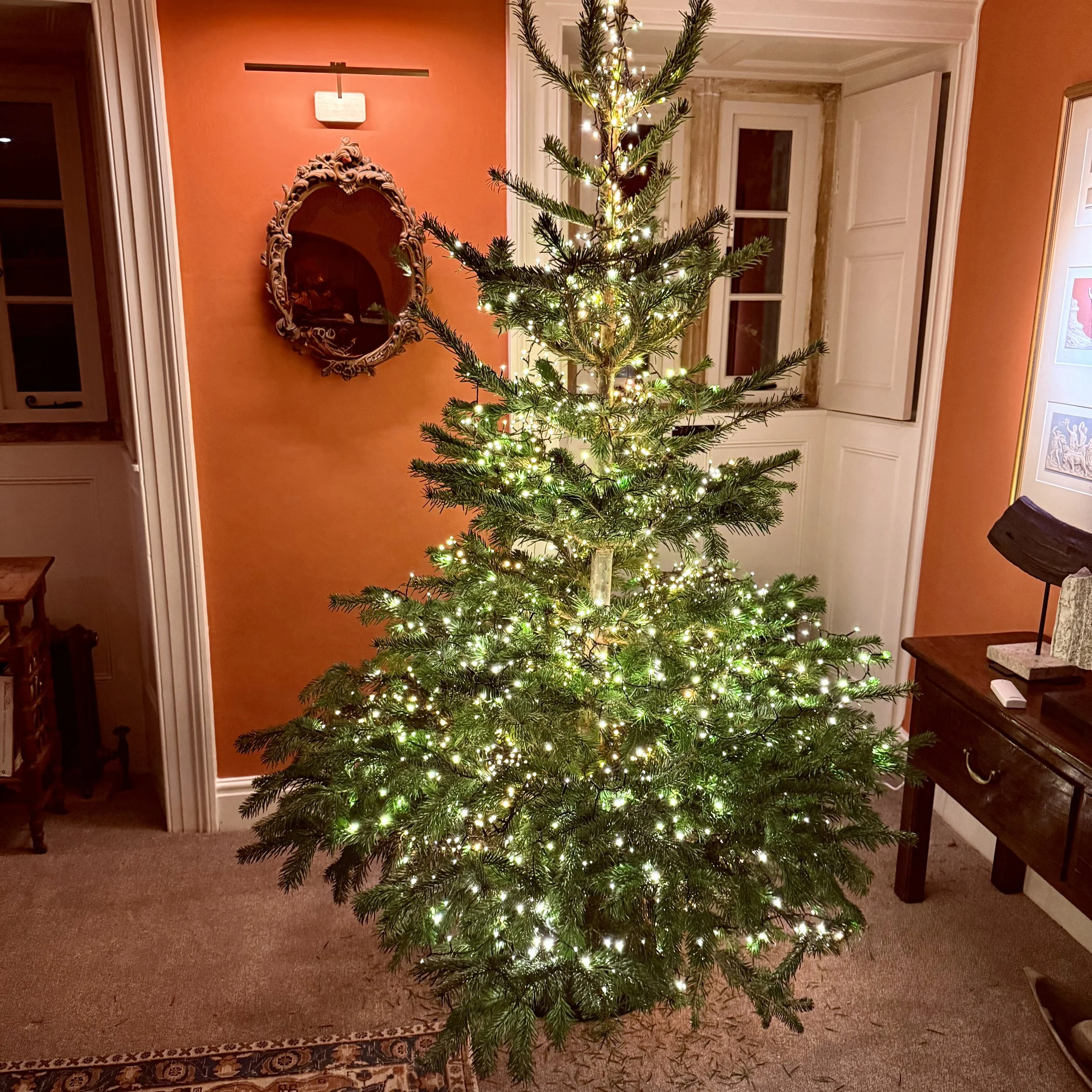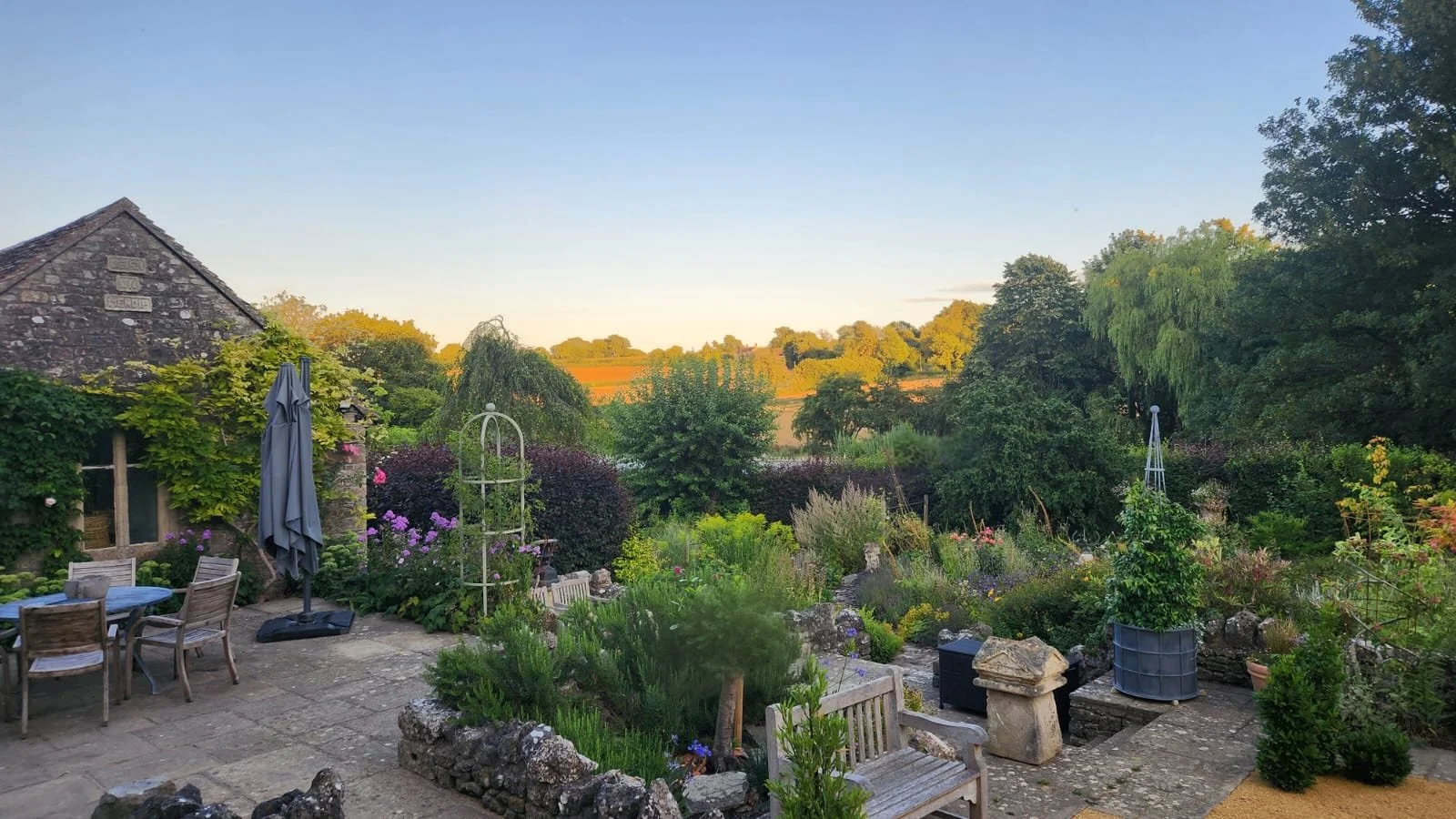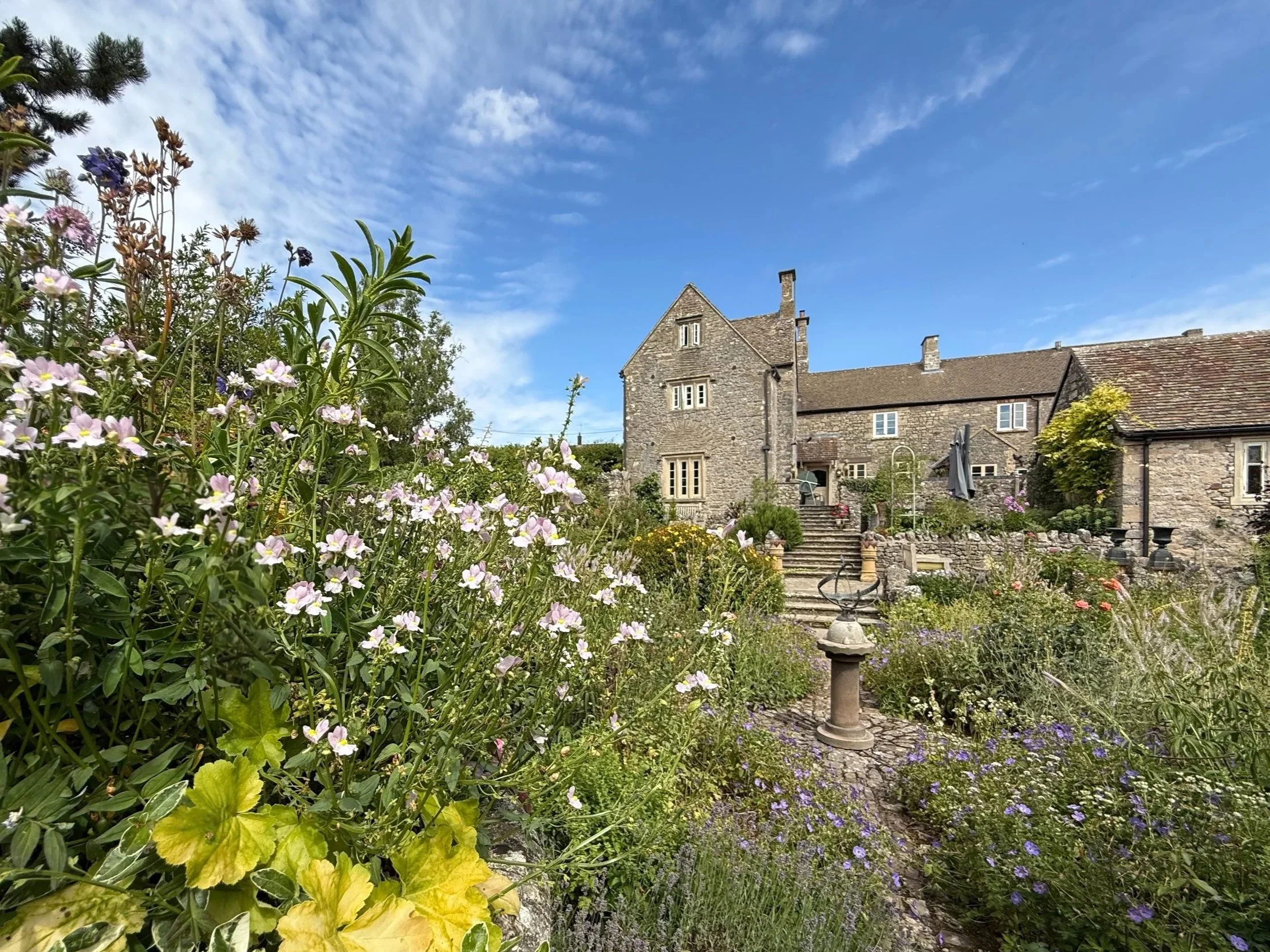
The Old Vicarage is the home of Asterion & Co. and the place from which everything we do begins.
Originally a 16th-century farmhouse and later a village vicarage, it has long been a place of gathering, hospitality and community.
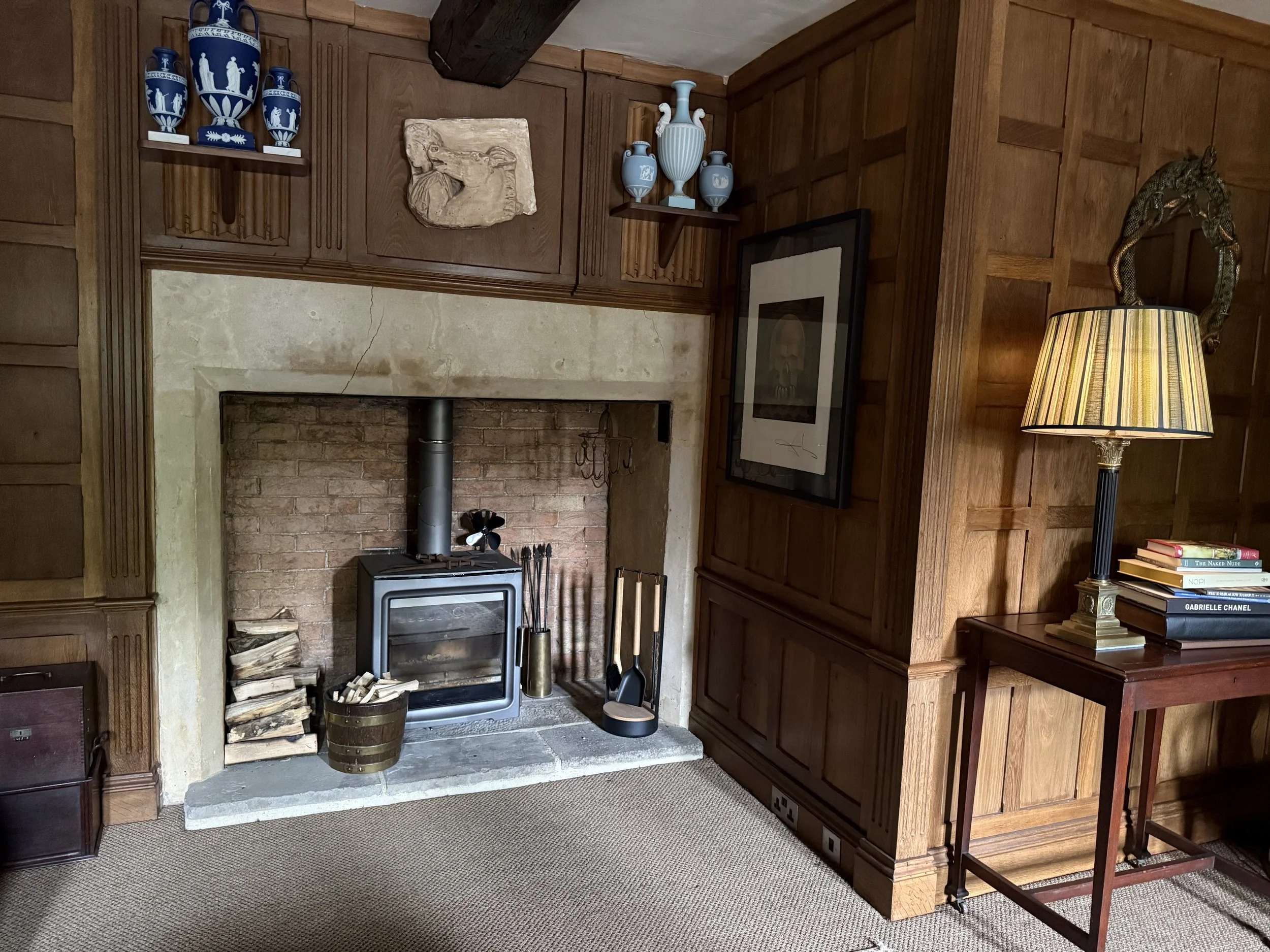
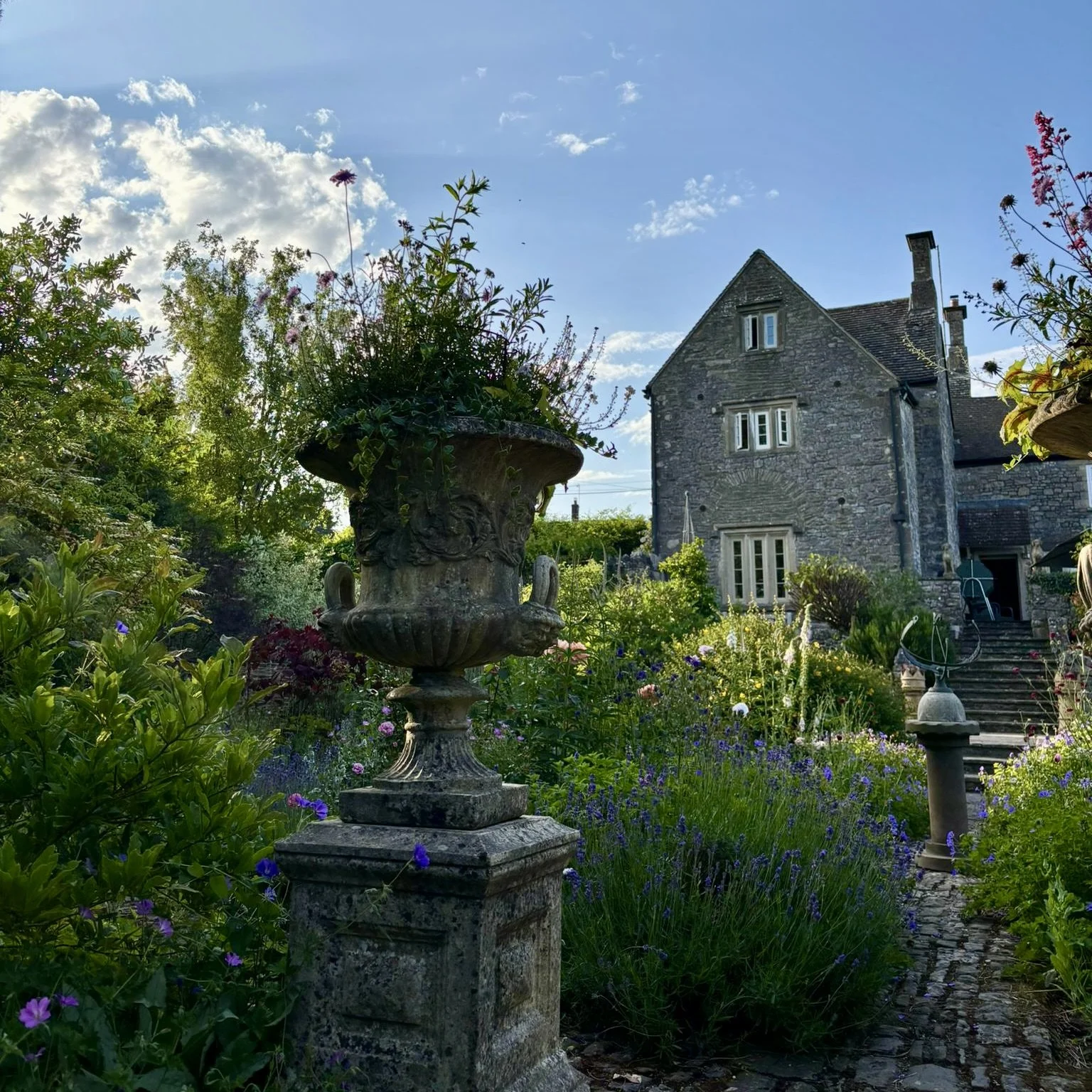
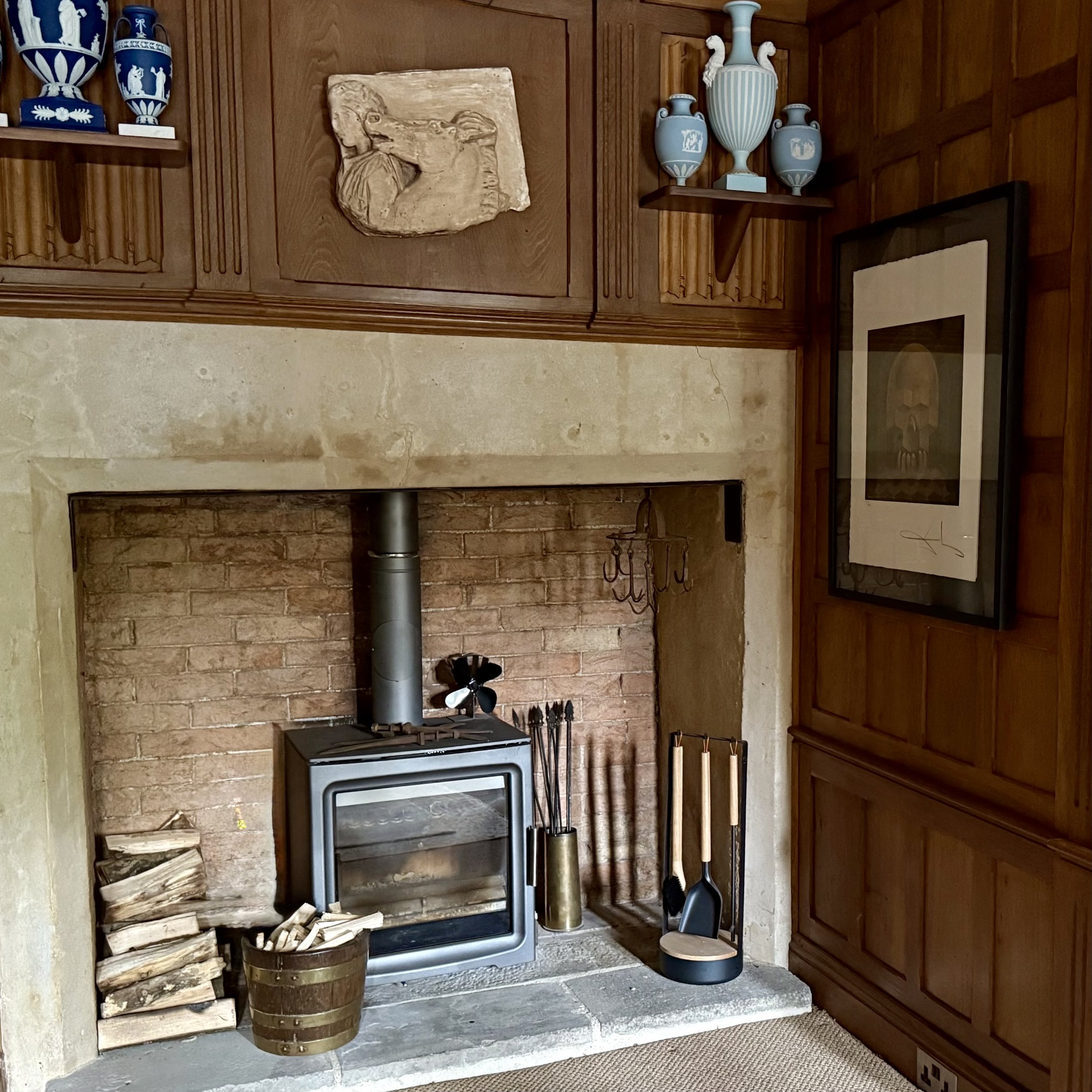
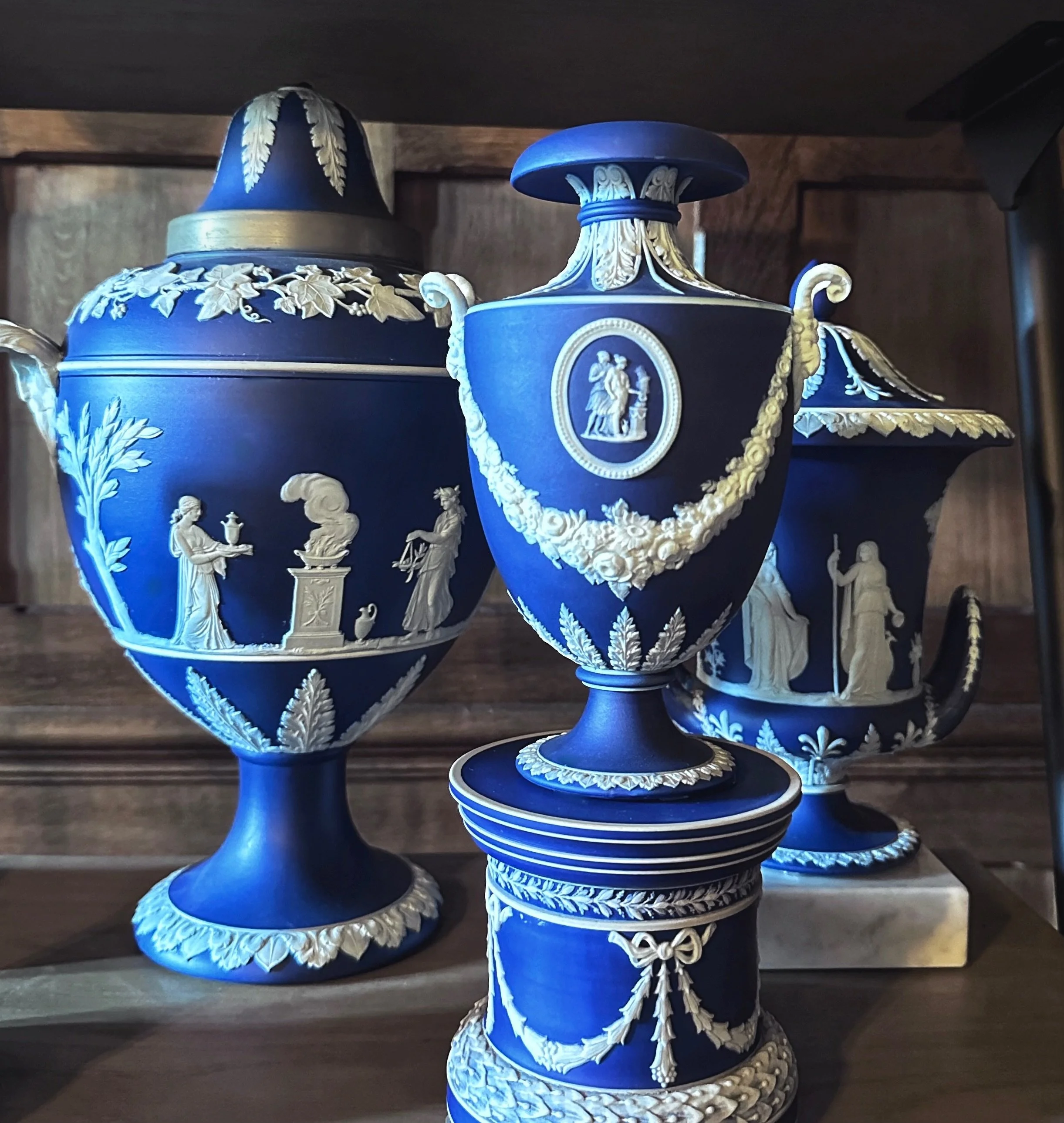
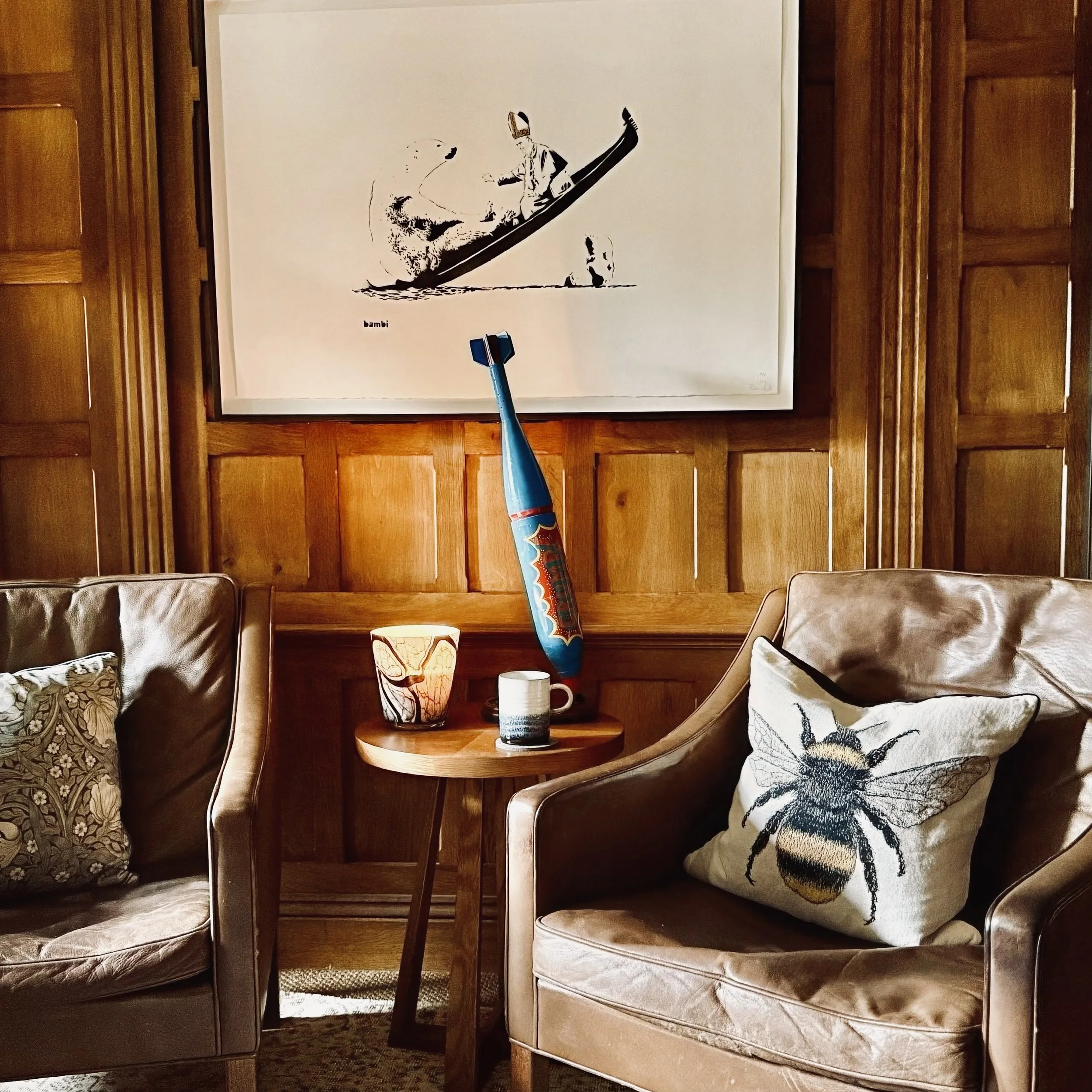
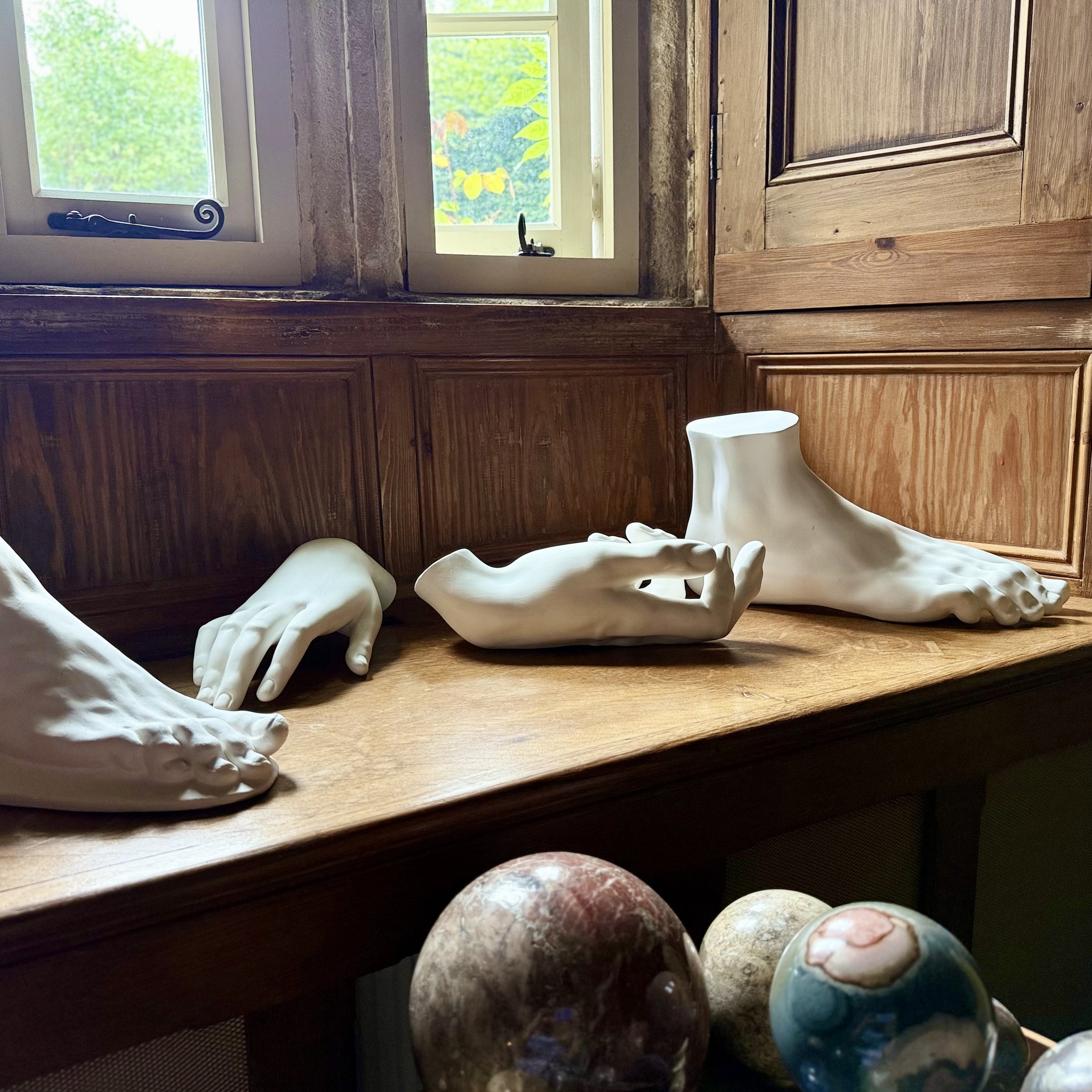
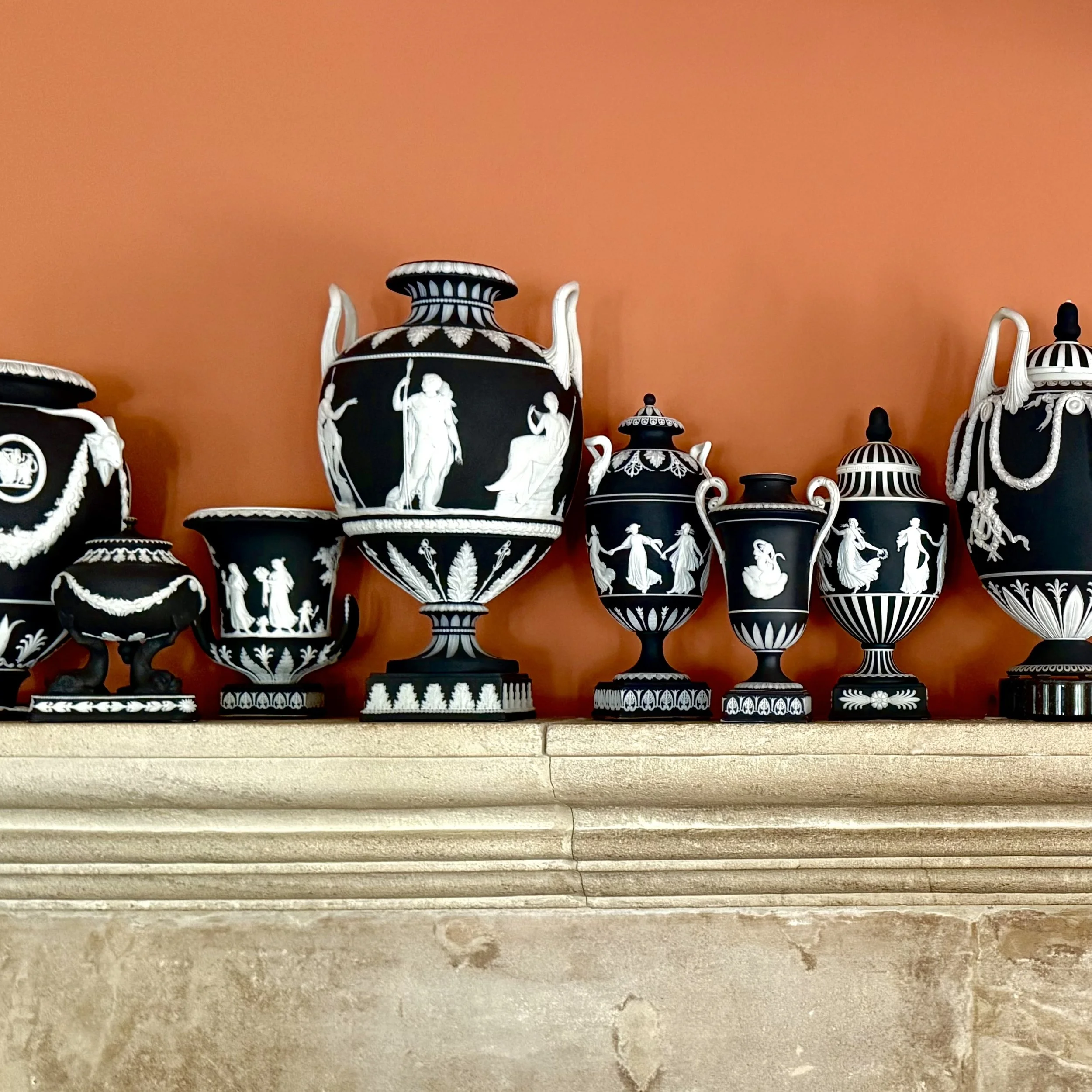
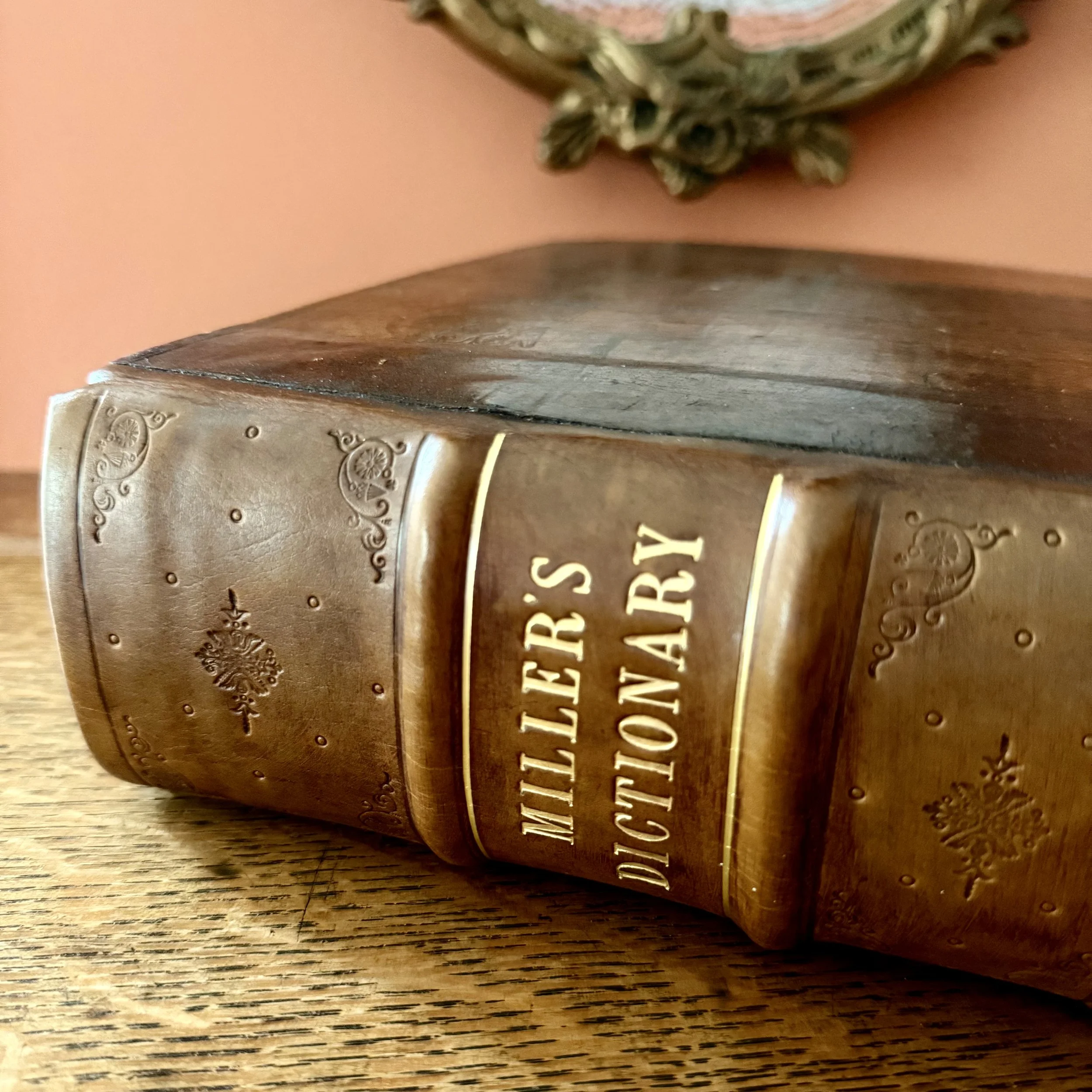
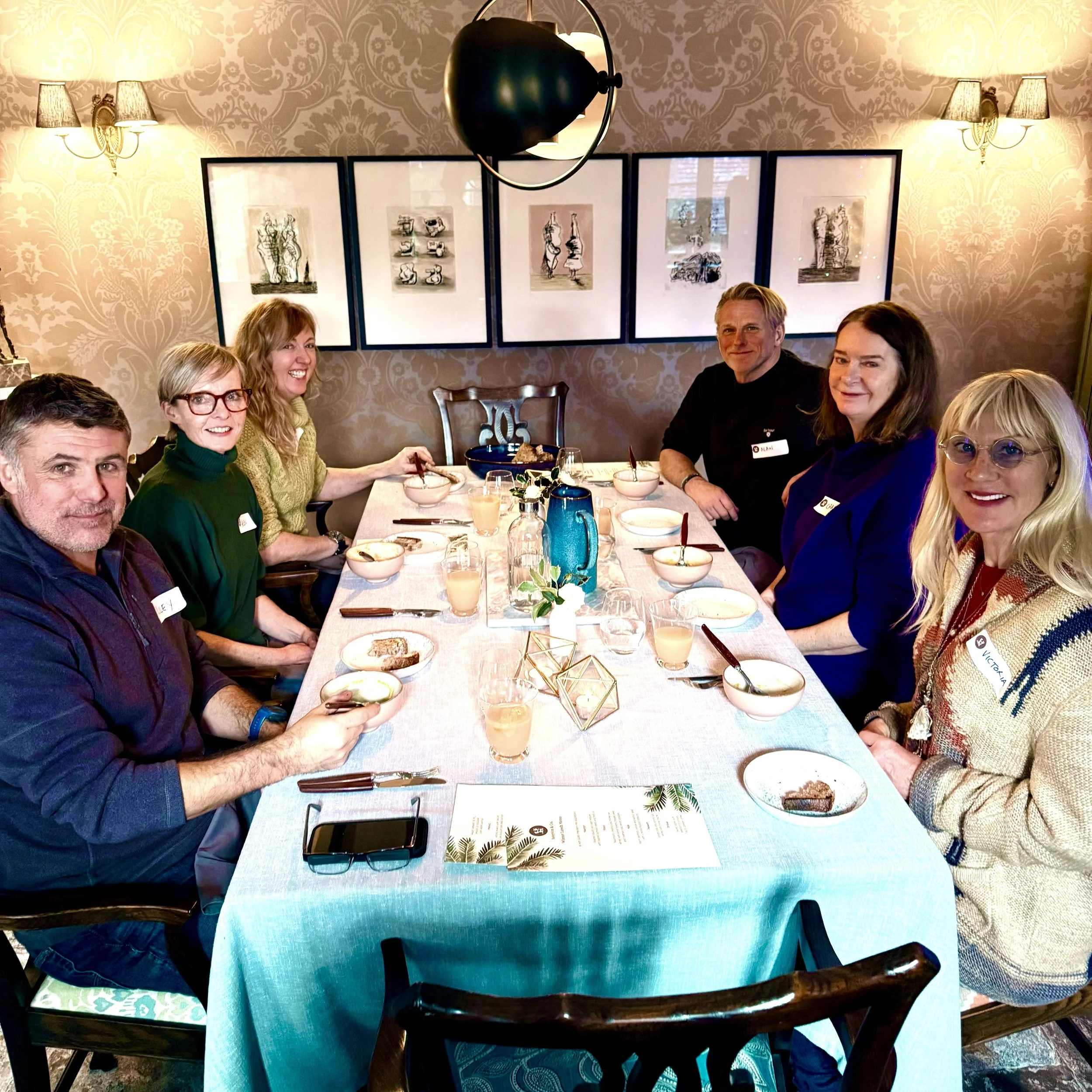
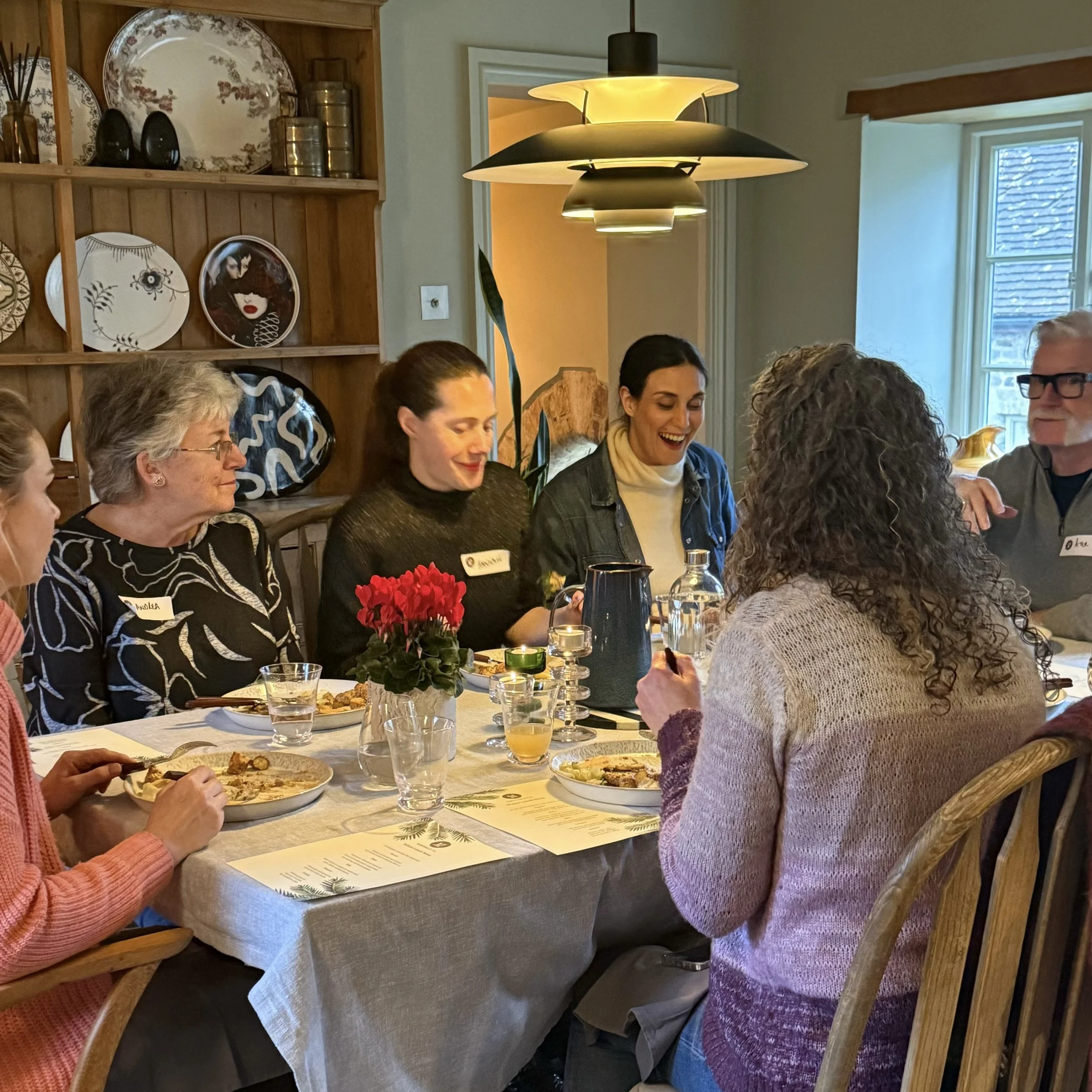
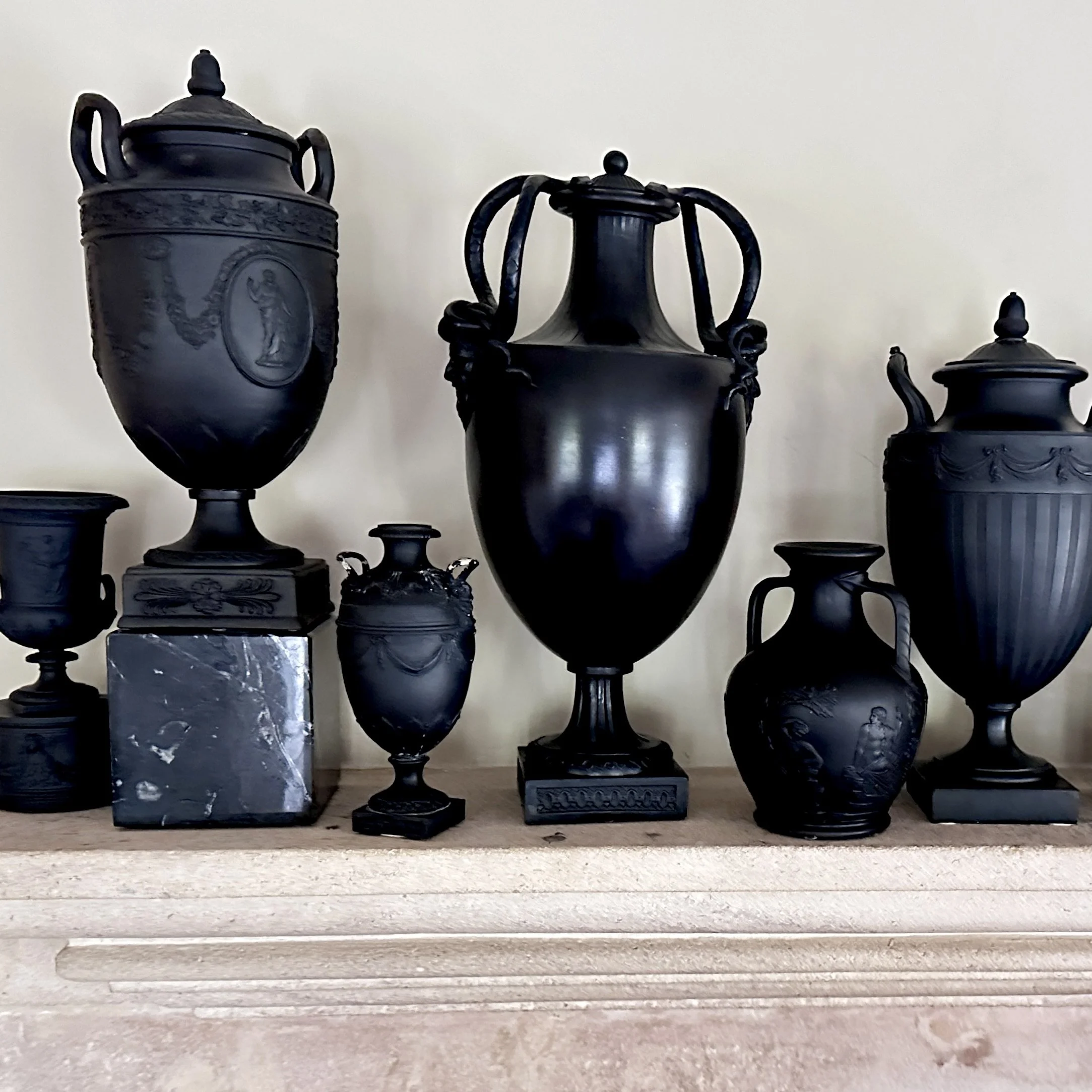
Today it remains a working home as much as a place of learning. Its rooms reflect many of the things I love: classical influences, craftsmanship, gardening, collecting and the stories carried by old objects. Throughout the year it becomes the backdrop to workshops, shared lunches, conversations and new friendships.
Whether you're learning to prune fruit trees, making a festive wreath, exploring a creative practice, or simply spending time in the garden with fellow guests, we hope you'll leave with a stronger sense of season, place and connection.
Thank you for taking a look around. I look forward to welcoming you to The Old Vicarage and sharing it with you.

Neil Crump
Founder, Asterion & Co.
Four centuries of change…
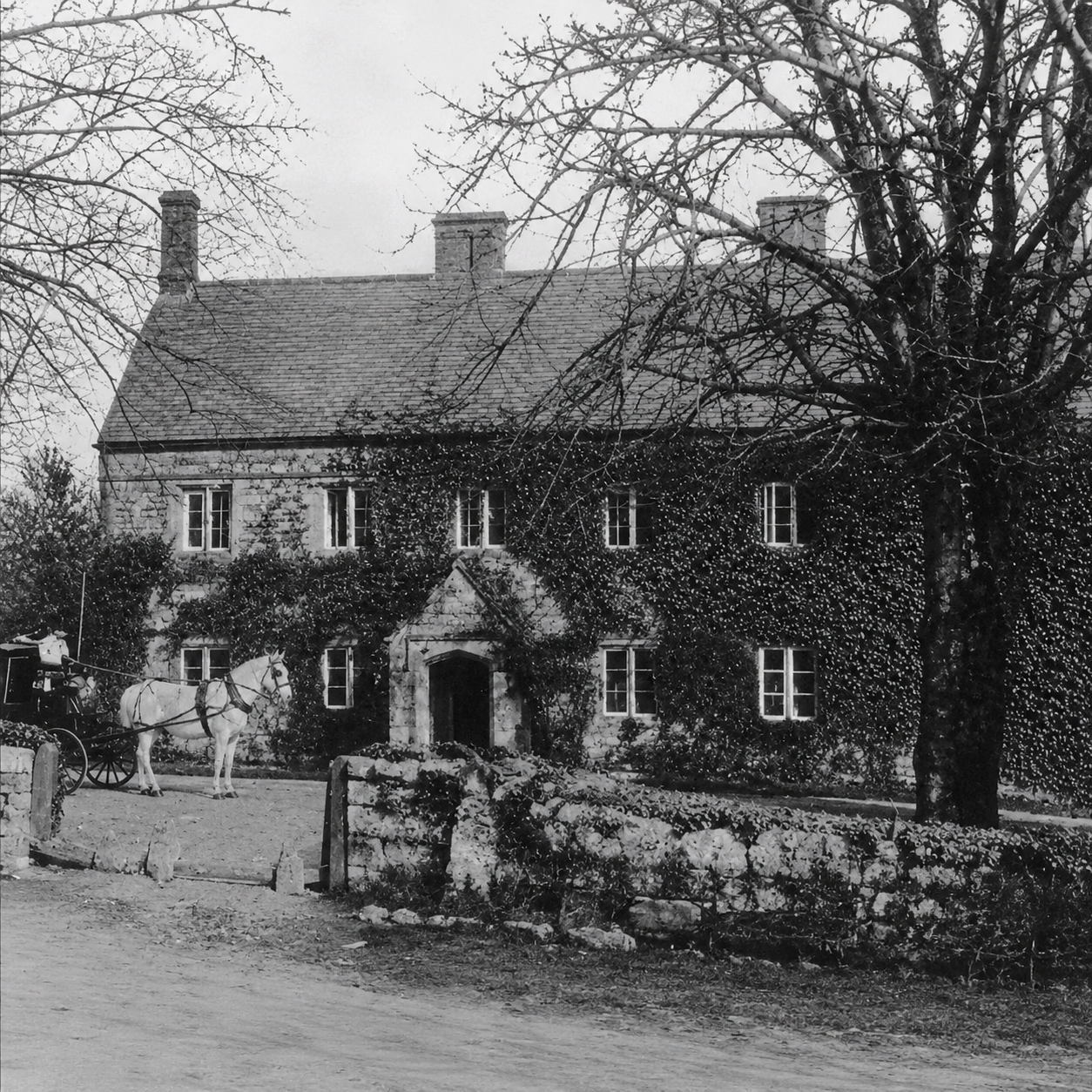
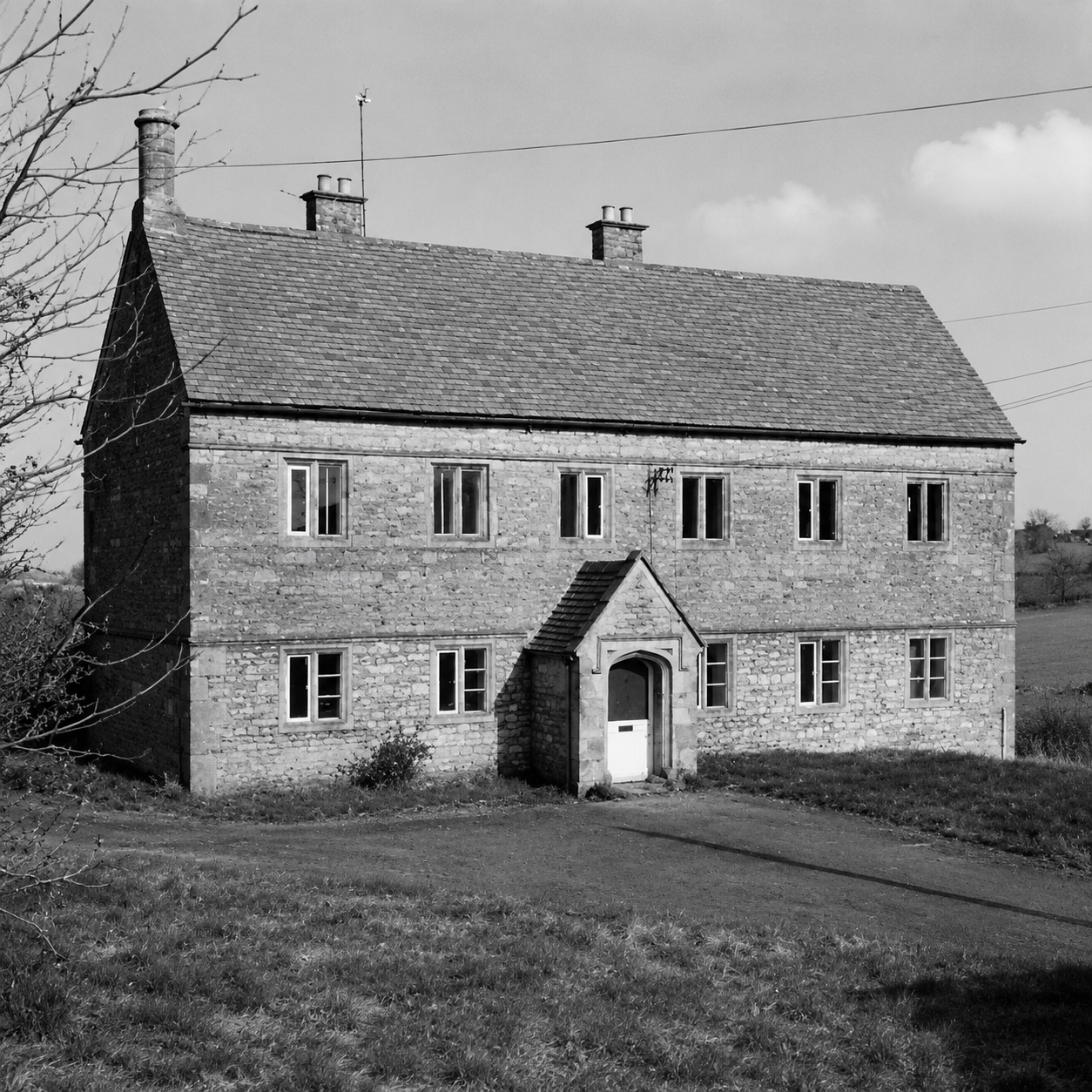
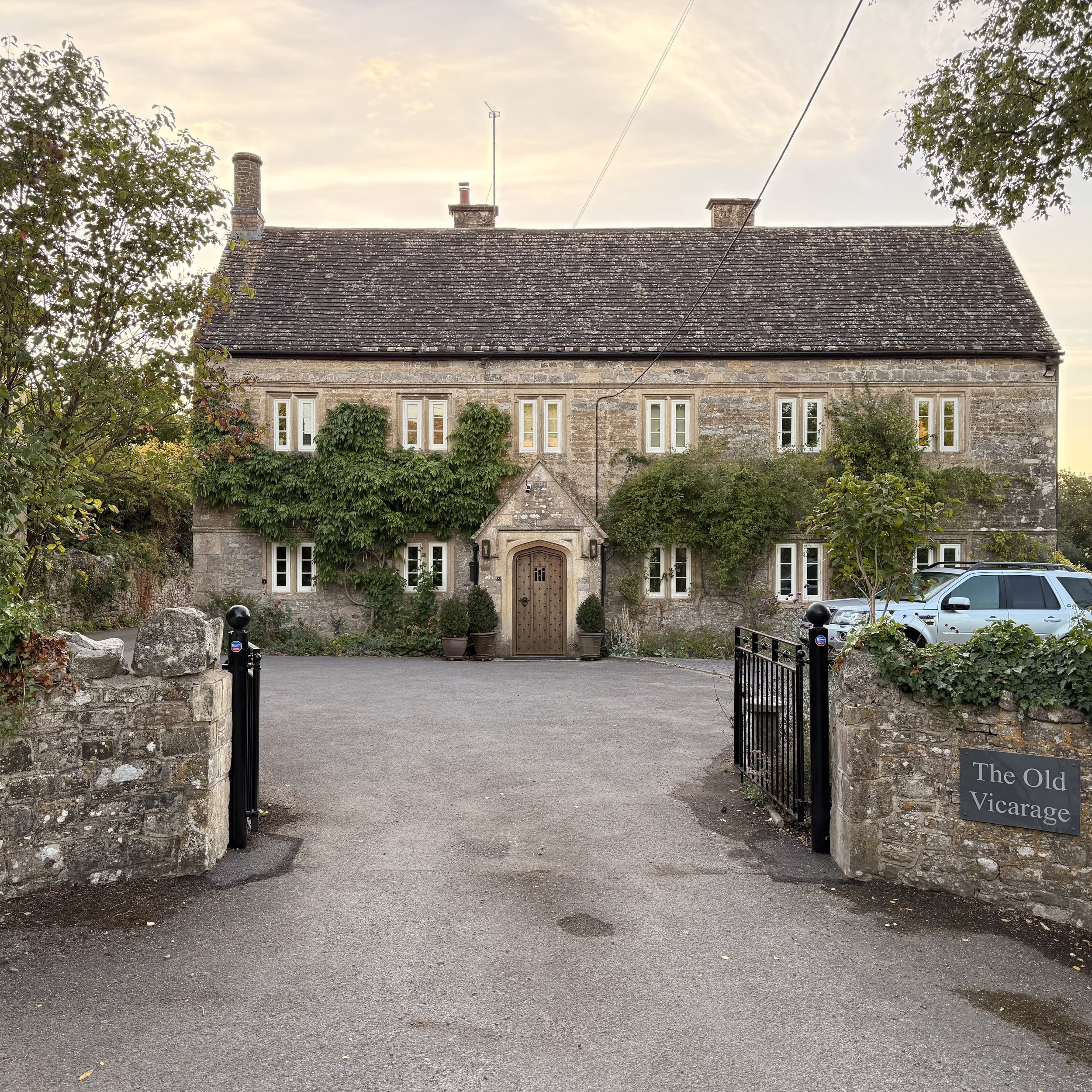
Originally built as a farmhouse in 1598, the house later became the village vicarage sometime after 1851, remaining church property until 1983.
Today, the house has been made structurally sound and reimagined as a place for learning, hospitality and connection.
The expansion of the property
The Old Vicarage was Grade II listed in 1968 for its external architectural significance of its 16th-century façade, stone mullion windows and gabled stone porch.
Over the centuries, the house evolved through a series of substantial additions to the north and east of the original 1598 farmhouse.
Agricultural working rooms were gradually built onto the rear of the property and, over time, absorbed into the domestic house itself.
This process repeated across generations, creating a building whose rear footprint extends far beyond the proportions suggested by its formal front façade.
In the yard, traces of these phased extensions can still be seen in the varying bands of local “Doulting Rubble” stonework used throughout the house, which thankfully lends the building an unexpected sense of continuity and uniformity.
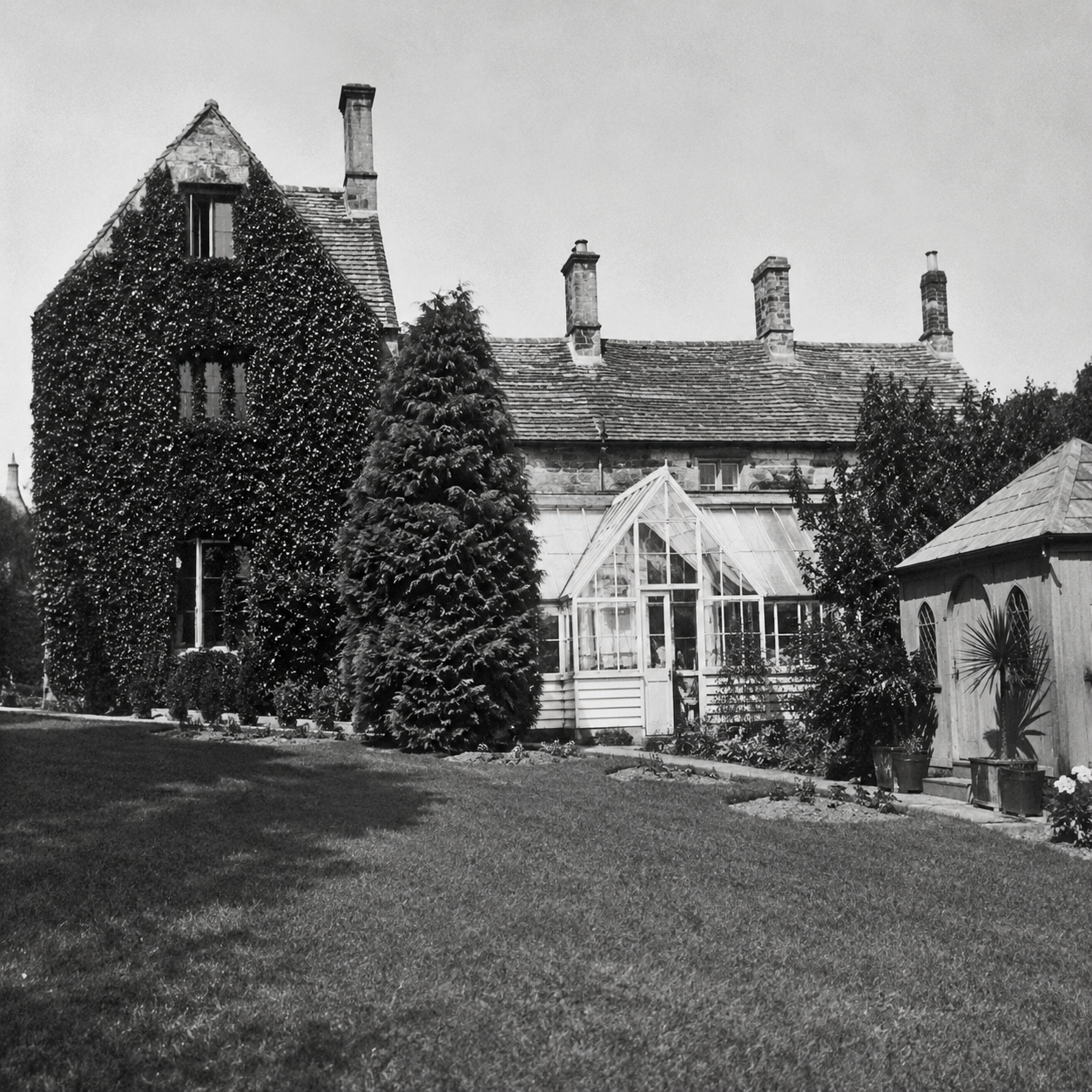
The substantial Victorian conservatory once attached to the house (visible in the historic photographs) no longer survives, although remnants of its terracotta, brown and black tiled flooring can still be found stacked around the grounds today.
At the centre of the Leigh-on-Mendip community
For more than 130 years, the house served as the centre of parish life in Leigh-on-Mendip.
Across generations, clergy and their families lived here, hosted village gatherings, cared for parishioners and shaped the life of the community.
The clergy that resided here
Revd GA Mahon
Curate from 1855 | First incumbent to live at the Vicarage from 1860–1896
Revd Mahon was the first clergyman to reside at The Old Vicarage. Census records from 1881 show a lively household of family and staff, including nine children, a governess, nurse, cook and housemaid - that’s 15 people!
He became something of a local character after reportedly being shot with bull’s blood in protest against his sermons on drunkenness.
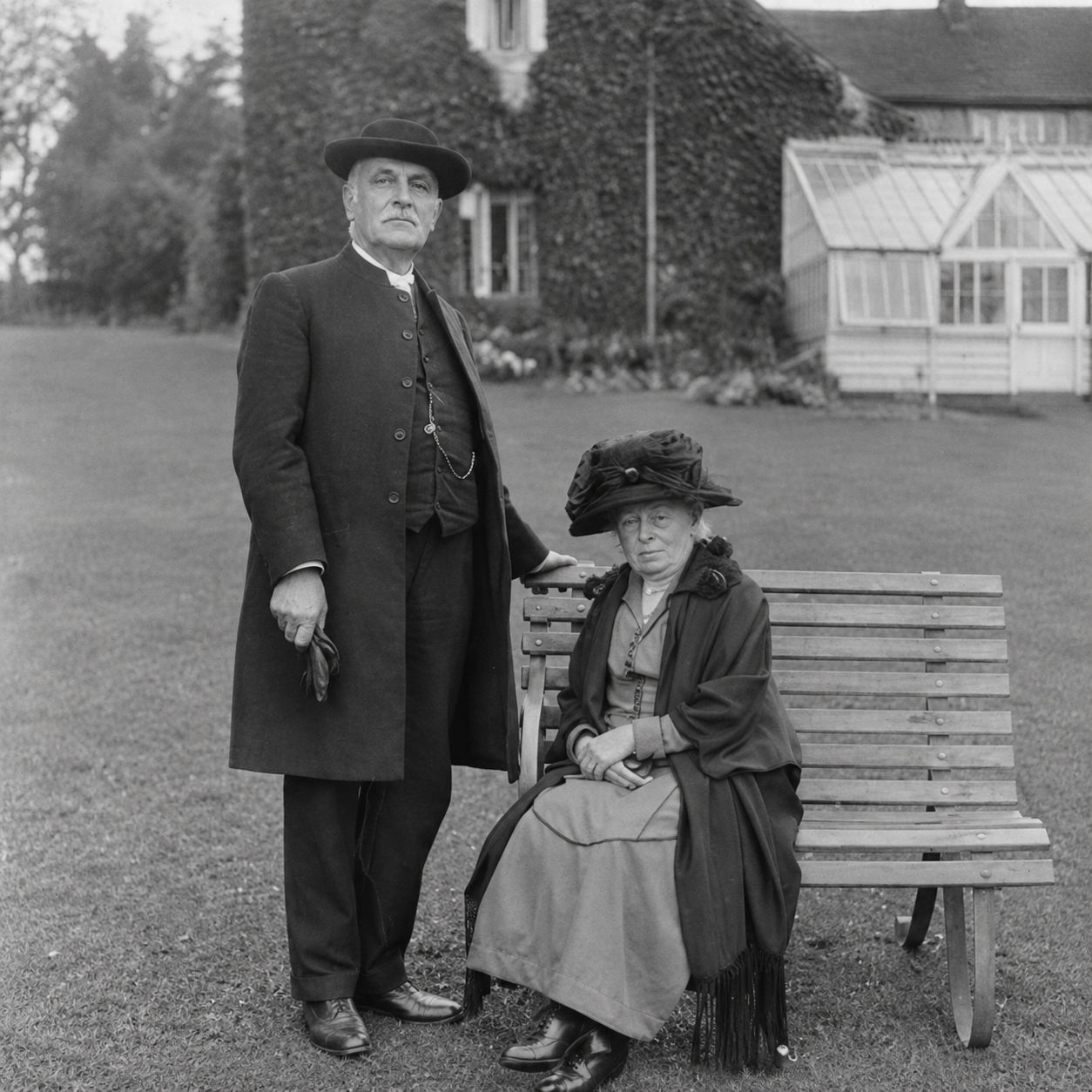
Revd JEW Honnywill
1896–1927
Pictured with Mrs Honnywill on bench
Revd Honnywill and his wife lived at the house for over thirty years.
Known for their generosity within the parish, they provided clothing and boots for families in need and hosted gatherings in the gardens, including a large tea party celebrating the consecration of the new church room.
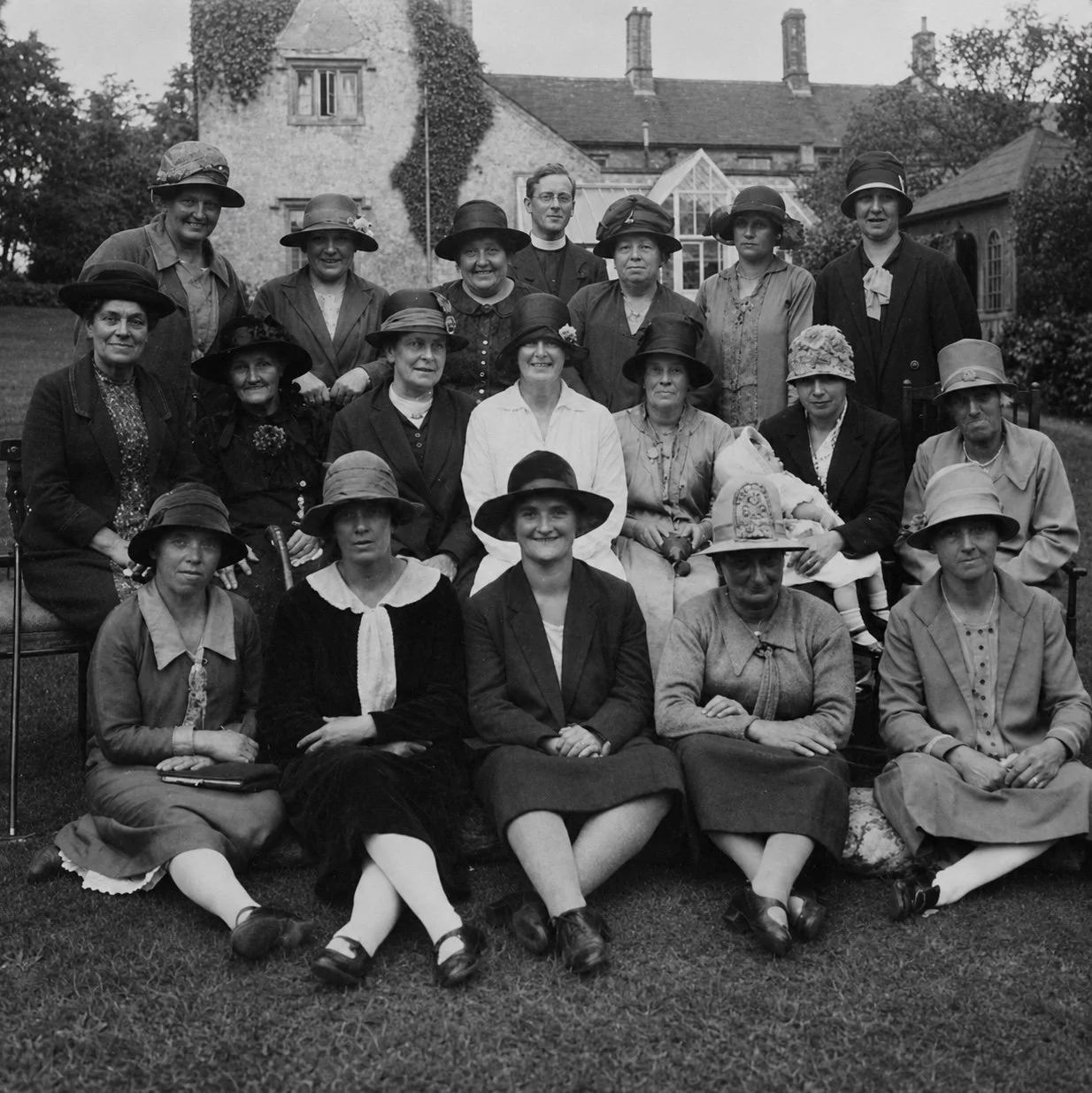
Revd R Lloyd-Williams
1927–1954
Pictured in back row with Mothers’ Union gathering on lawn in 1930
Revd Lloyd-Williams served the parish until his death in 1954.
Remarkably, Leigh-on-Mendip had only three incumbents across almost a century, giving the house an unusual continuity of stewardship and memory.
The subsequent incumbents were:
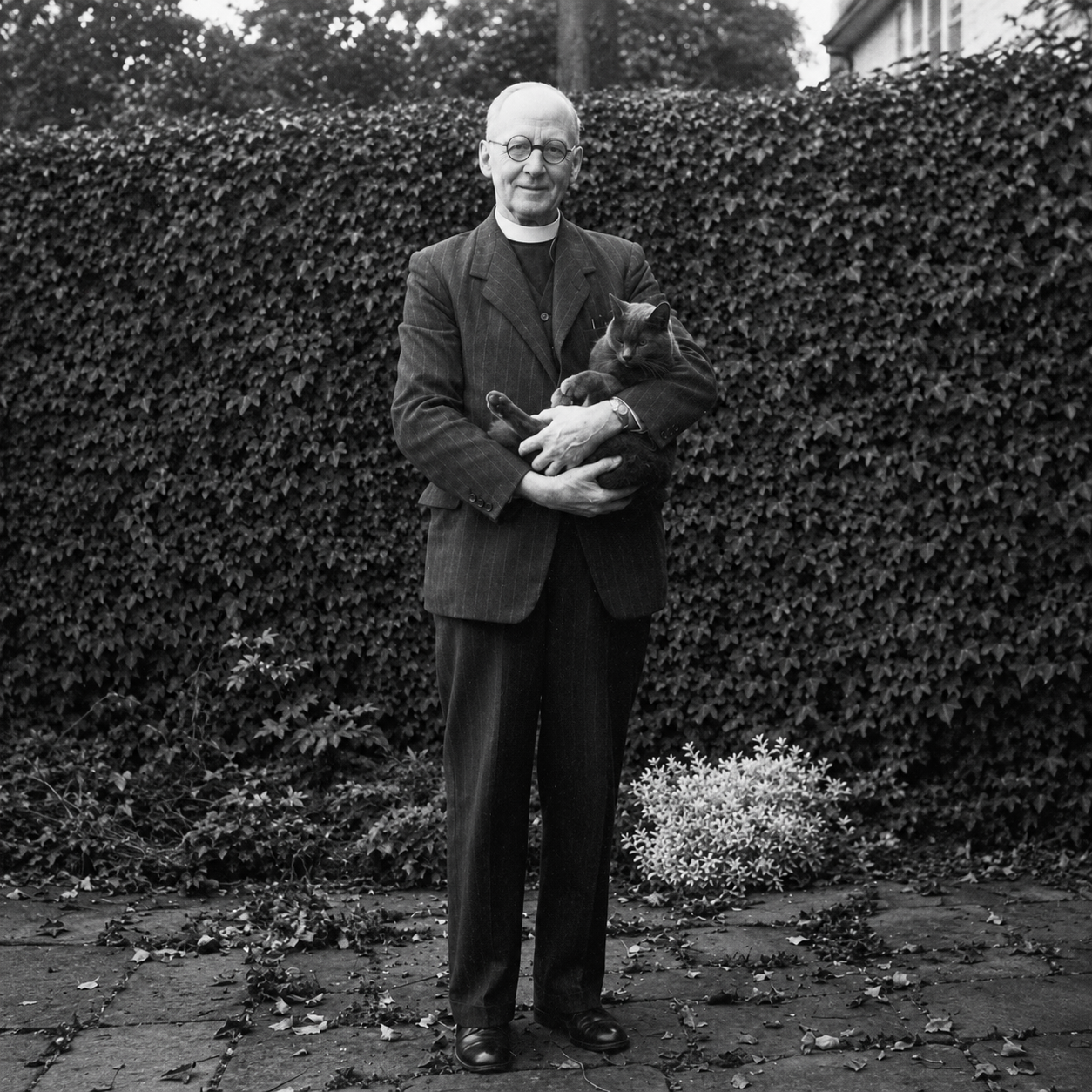
Revd H S Hancock, 1955–1959 (pictured with a plump cat)
Revd H Rigg-Stansfield, 1960–1962
Revd EHH Tiller, 1963–1967
Revd GSW Kerslake, 1968–1974
Revd HJ Fisher, 1974–1981
The house after the Vicarage years
After Revd and Mrs Fisher left in 1981, the house stood empty and increasingly neglected.
At auction in 1983, the property failed to reach its reserve price before later being sold privately. Extensive restoration and rewiring works were subsequently undertaken.
Unfortunately, much of the renovation work carried out during the 1980s lacked the quality and longevity required for a building of this age and significance. In the decades that followed, maintenance became increasingly limited, and many underlying problems remained unresolved.
Following his relocation to Somerset and purchase of The Old Vicarage, Neil Crump embarked upon an extensive programme of restoration and repair. Over the course of almost two years, significant structural and remedial works were undertaken throughout the house to address long-standing issues, replace failing 1980s fabric and secure the building's future.
The work represented a substantial investment of time, care and resources, but reflected a belief that historic buildings are not simply inherited: they are held in trust for future generations.
Today, The Old Vicarage continues its long tradition as a place of gathering, hospitality and community.
Learn more about the grounds and garden of The Old Vicarage here.
If you know additional stories, photographs or history connected to The Old Vicarage, we would be delighted to hear from you.
During a recent Open Garden event, a guest who had lived here as a teenager brought historical photographs of the house, which will be added to this archive soon.
The Old Vicarage Today
A Home for Heritage-Inspired Learning™



Christmas at The Old Vicarage
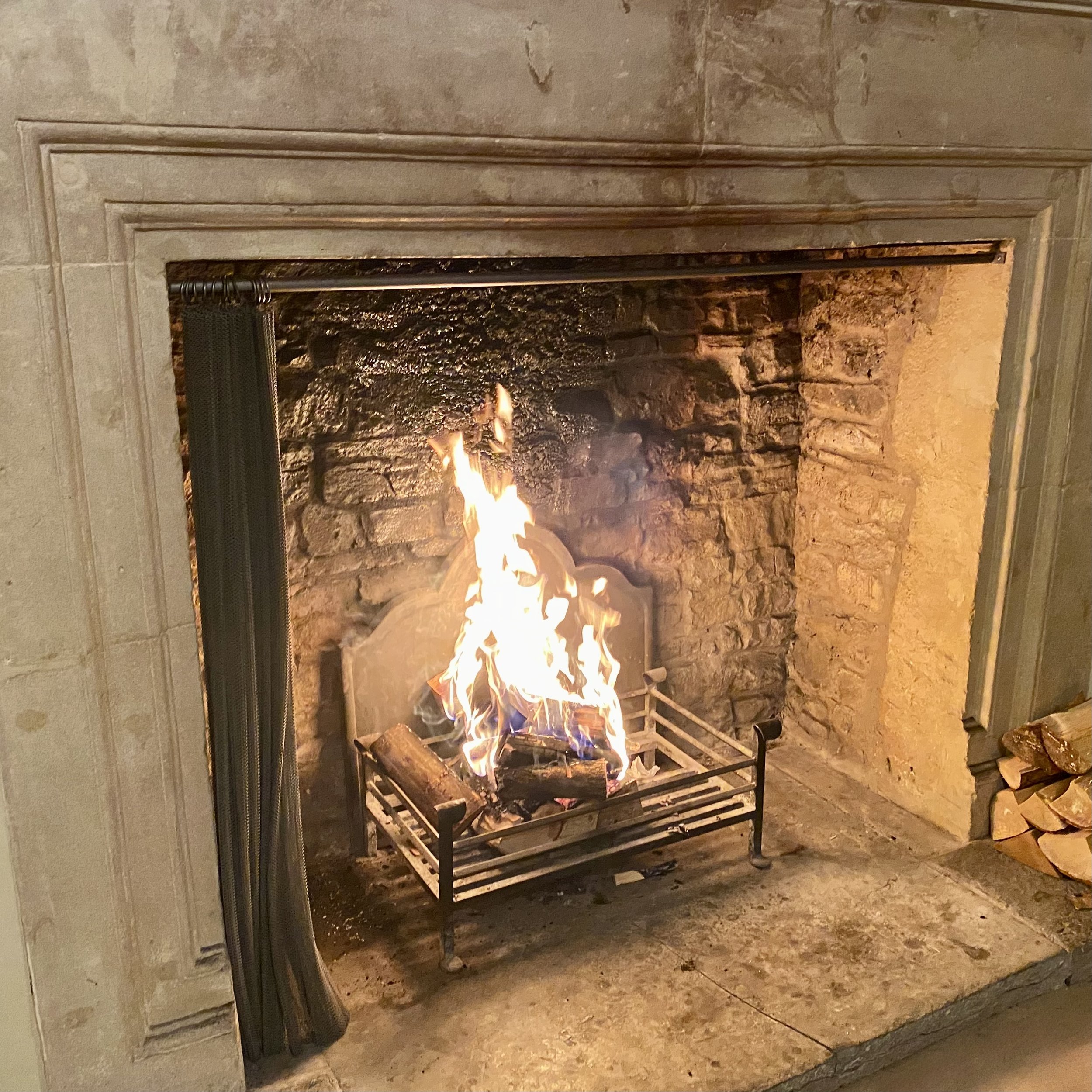
We loves this season!